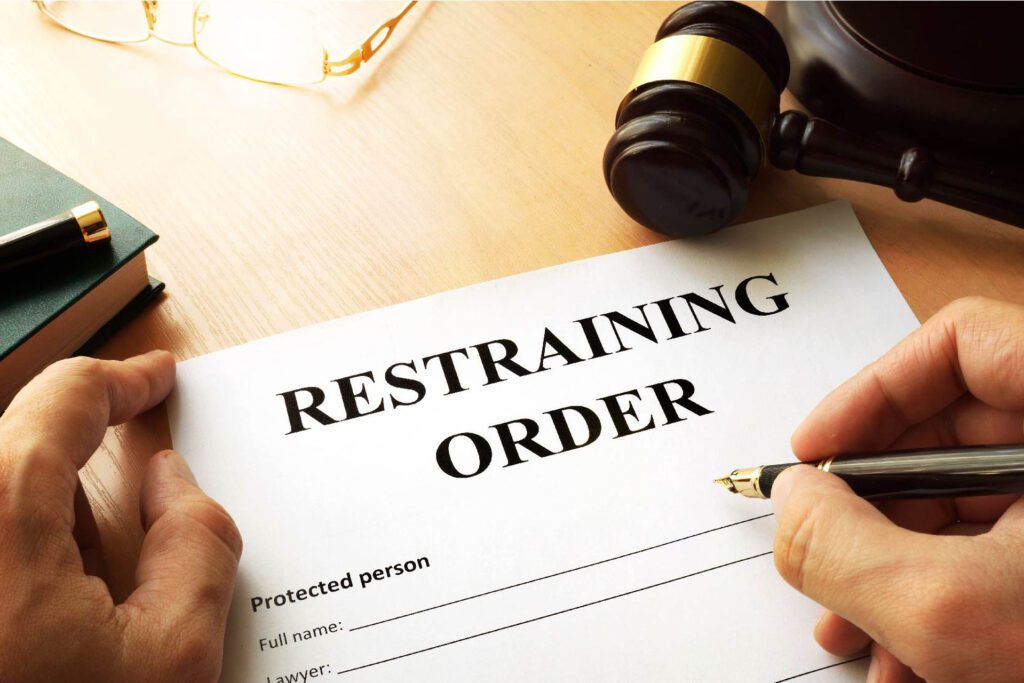
Under California law, most restraining orders must be personally served on the restrained person to be enforceable. Personal service ensures the individual receives formal notice and understands the restrictions imposed. However, limited exceptions and alternative service methods may apply in specific court-approved circumstances.
Why Personal Service Is Required Under California Law
California courts emphasize due process, which requires that a person be given proper notice before a court order can be enforced against them. Personal service means a non-party adult physically delivers the restraining order papers to the restrained person, confirming receipt and awareness of the order’s terms.
Until service is completed, law enforcement generally cannot enforce the restraining order, even if it has been signed by a judge.
Types of Restraining Orders and Service Rules
Personal service requirements apply across most restraining order categories, including domestic violence restraining orders, civil harassment orders, elder abuse orders, and workplace violence orders. Temporary restraining orders issued on an emergency basis still require service before they become enforceable against the restrained party.
Who Is Allowed to Serve a Restraining Order
The protected person cannot serve the restraining order themselves. Service must be completed by someone over the age of 18 who is not listed as a protected party. This may include a professional process server, a county sheriff, or another eligible adult.
In Los Angeles County, the sheriff’s department may provide service at no cost in certain domestic violence cases.
When Alternative Service May Be Allowed
If personal service is not possible after reasonable attempts, a court may authorize substituted or alternative service. This typically requires a formal request showing diligent but unsuccessful efforts to locate and serve the restrained person. Alternative service is not automatic and must be approved by the judge.
Proof of Service and Court Deadlines
After service is completed, a proof of service form must be filed with the court. This document confirms how and when service occurred. Courts require proof of service before proceeding with a hearing on a permanent restraining order.
Practical Considerations in Los Angeles Family Courts
Los Angeles family courts strictly enforce service requirements. Hearings may be delayed or continued if service has not been properly completed, which can affect temporary protections and court scheduling.
According to Los Angeles family law attorney Nicole Duncan, courts routinely emphasize proper service to ensure fairness while balancing safety concerns in restraining order cases.
When Legal Guidance May Be Helpful
Service issues often arise in domestic violence cases, particularly when the restrained person is evasive or difficult to locate. Understanding service requirements can be critical to ensuring a restraining order is enforceable. Additional information about restraining orders is available through a Los Angeles domestic violence attorney resource.
If you have questions about how California family law applies to your situation, a consultation with an experienced Los Angeles family law attorney can help clarify your options.