
What Exactly Happens After a Divorce Settlement Is Signed in California

After a divorce settlement agreement is signed in California, the case does not immediately end. The agreement must be submitted to the court, reviewed for legal sufficiency, and incorporated into a final judgment of dissolution. Only after the court enters judgment do the settlement terms become legally enforceable. Submission Of The Settlement To The Court […]
How to Get Full Parental Custody in California

Under California law, full parental custody means the child lives with one parent only, and that parent is responsible for the child’s education, care, and major life decisions. The other parent may still have visitation rights, unless the court determines that visitation would not be in the child’s best interest. Full parental custody is awarded […]
Is Domestic Abuse a Felony in California?

In California, domestic abuse (domestic violence) can be charged as either a felony or a misdemeanor depending on the severity of the conduct, the defendant’s criminal history, and specific circumstances such as injury to the victim or use of a weapon. Understanding the distinctions helps clarify potential legal consequences under state law. Understanding California Domestic […]
How a Mother Can Quickly Lose a Custody Battle in 2026

Answering the Big Question: Can a Mother Really Lose Custody? Yes, a mother can absolutely lose a custody battle in 2026, even in traditionally “mother-friendly” states like California, Texas, and New York. The days when courts automatically favored mothers in child custody disputes are long gone. Today, family court judges across the United States apply […]
Can a Court Deny a Restraining Order for No Reason in California?

Short answer: No. A California court cannot deny a restraining order “for no reason.” When a restraining order is denied, it is because the legal requirements were not met—most often due to insufficient evidence, lack of qualifying conduct, or credibility issues. This article explains why courts deny restraining orders, what denial actually means, and what happens […]
Does a Restraining Order Have to Be Served in Person in California
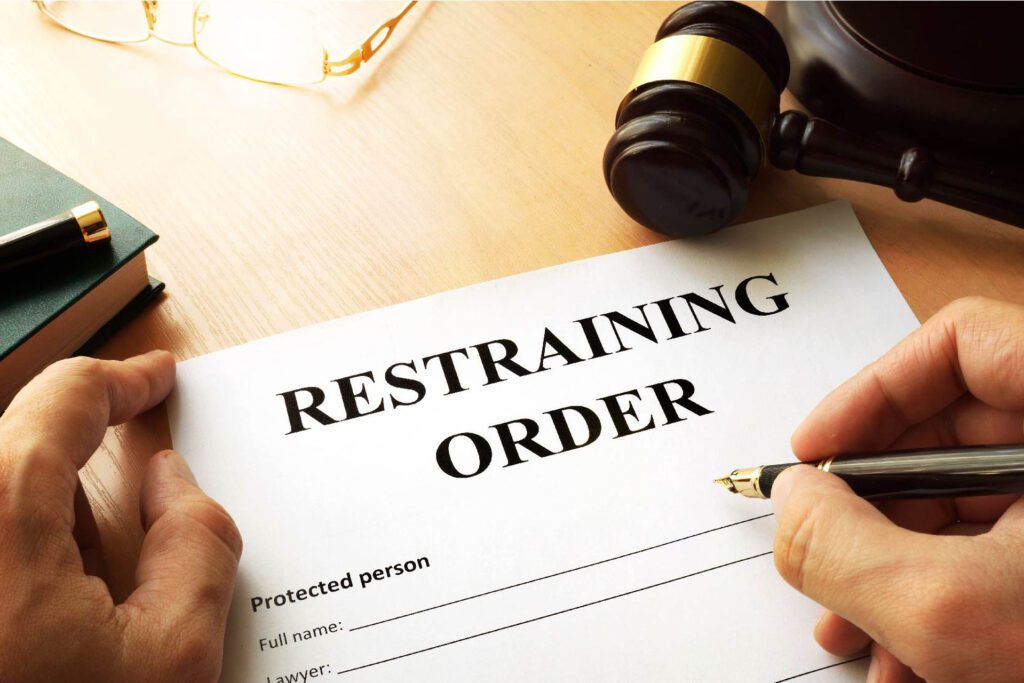
Under California law, most restraining orders must be personally served on the restrained person to be enforceable. Personal service ensures the individual receives formal notice and understands the restrictions imposed. However, limited exceptions and alternative service methods may apply in specific court-approved circumstances. Why Personal Service Is Required Under California Law California courts emphasize due […]
Who Should File for Divorce First in California?

Under California law, filing first for divorce does not create a legal advantage in terms of property division, custody, or support. California is a no-fault divorce state, meaning courts focus on statutory factors rather than which spouse initiated the case. However, timing can influence procedure and short-term strategy. California’s No-Fault Divorce Framework California Family Code […]
The Ultimate California Divorce Checklist: 12 Essential Steps to Smooth The Process
In California, preparing for divorce means organizing financial documents, understanding custody and support rules, choosing the right legal process, and planning for life after divorce. Key steps include gathering records, assessing assets and debts, securing health insurance, protecting personal information, and knowing when to seek legal guidance. Divorce is not just an emotional decision—it is […]
When is a Marriage Irretrievably Broken?

A marriage is considered irretrievably broken when there is no reasonable chance of reconciliation and the relationship cannot be repaired. This typically involves ongoing conflict, loss of trust or intimacy, and irreconcilable differences that make continuing the marriage impractical or harmful. In practical terms, it means the marriage has reached a point where efforts to fix it have failed, […]
Are Divorce Records Public? How to Find Them Easily
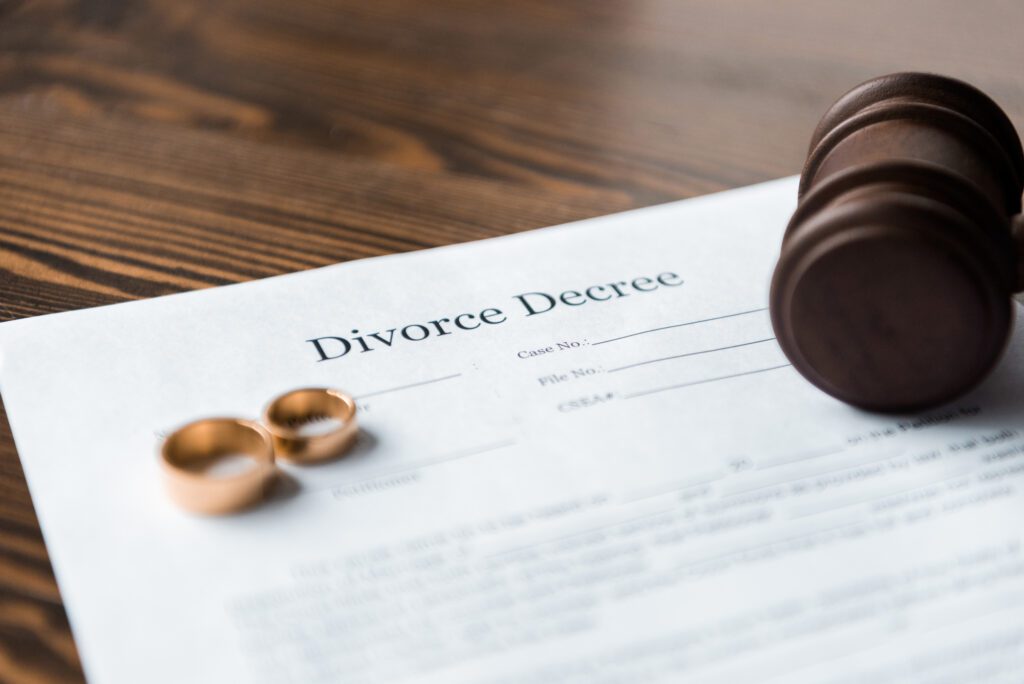
Yes, divorce records are generally public records. This means that basic information about a divorce—such as the names of the spouses, the court where the case was filed, and the date of the divorce—is usually accessible to the public. However, access to specific details can vary depending on state law and whether any portion of the […]